PRISON REFORM
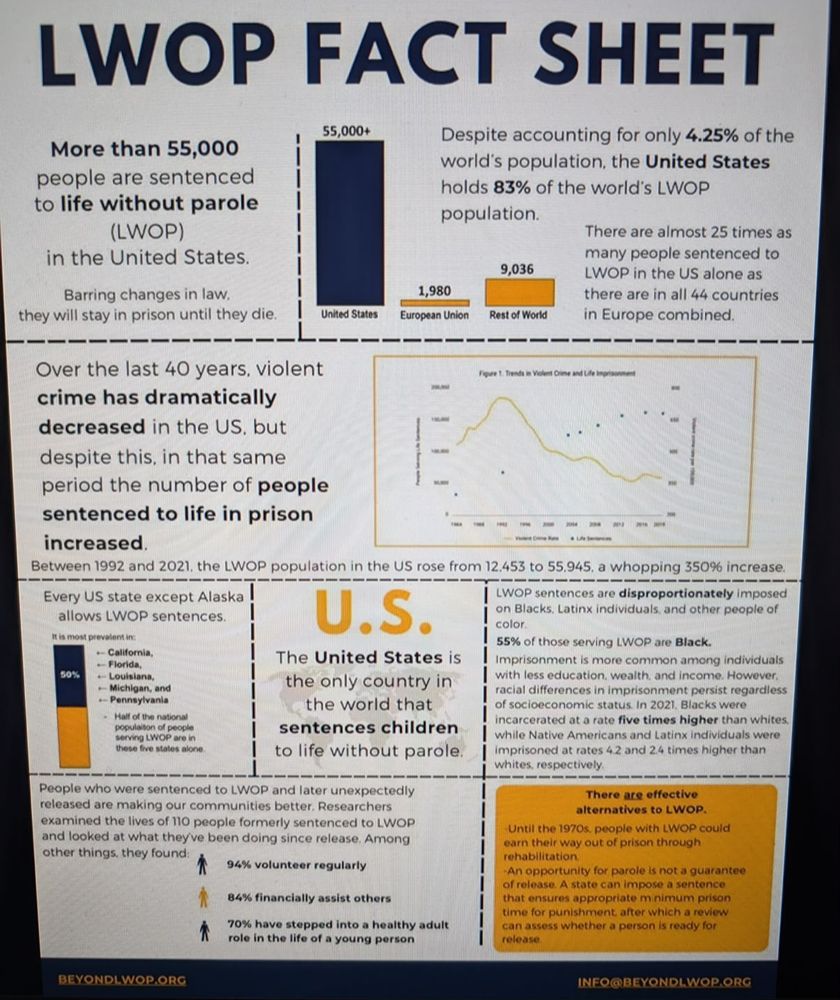
The United States has 5% of the world’s population but 25% of the incarcerated population. The incarceration rate in Canada is 127 per 100,000; in the United States the incarceration rate is 69 per 100, 000. Mass incarceration does nothing to make this a safer country or to lower the crime rate. According to the ACLU the federal prison population has increased by 790% since 1980. In that same time, the incarceration rate in New Hampshire has increased by 432%.
87 billion has been spent in this country in 2018 on jails and prisons, an increase of 1000% since 1974. In 1972 there were 200, 000 incarcerated people in the United States, now there is over 2.2 million. 10 million Americans have an immediate family member in prison.
In the year 2023 there were more seventeen-year-old blacks in prison than in college. How is this acceptable? The ‘three strikes and your out’ law makes the third offence, no matter what it is a mandatory life sentence.
The ACLU of New Hampshire campaign for Smart Justice is “dedicated to continue to challenge these unconstitutional laws and policies, fight for police reform and forge a new path for equality under the law.” They are working to reverse the tsunami of mass incarceration and to protect the Constitutional rights of all citizens of New Hampshire.
The US prison system is a lock away and forget system. There is no reform, little education and very little socialization. The US cages and dehumanizes people, inflicting punishment, humiliation and pain, (both physical and mental).
Corrupt correctional officers, (they are more prone to corruption because there is no oversight and little training), They are working with angry, negative non-motivated co-workers. They feel, (and are) underappreciated, working in filthy stressful conditions with people who have been marginalized by a society, (and sometimes family and friends) that just wants to lock them away and forget about them and are threatened with physical harm.
Prison staff, the correctional officers’ actions and words have a detrimental effect on the inmates, making them less healthy from a fear of verbal and physical threats if they leave their cells. They become more angry, violent and look for ways to fight back.
It doesn’t take much for the correctional officers to convince themselves that any behavior would be approved, or ignored, by prison management. Who would know if they found out, who would care? Possibly it would garner a reprimand. By working in prisons, they can believe that any action, no matter how unethical or depraved, would be condoned, they leave their morals and self-respect on the other side of the walls. If we treat people like animals when they are in prison, they are likely to behave like animals when they are released.
They may believe that the inmates deserve whatever treatment they must endure, any behavior against these prisoners is justified. They may even believe that prisoners would benefit from abuse, making them comply with the rules.
“If you treat them as if they are your enemy, they will react as your enemy. They will react dangerously.”
Jong Jesse
German Prison Director
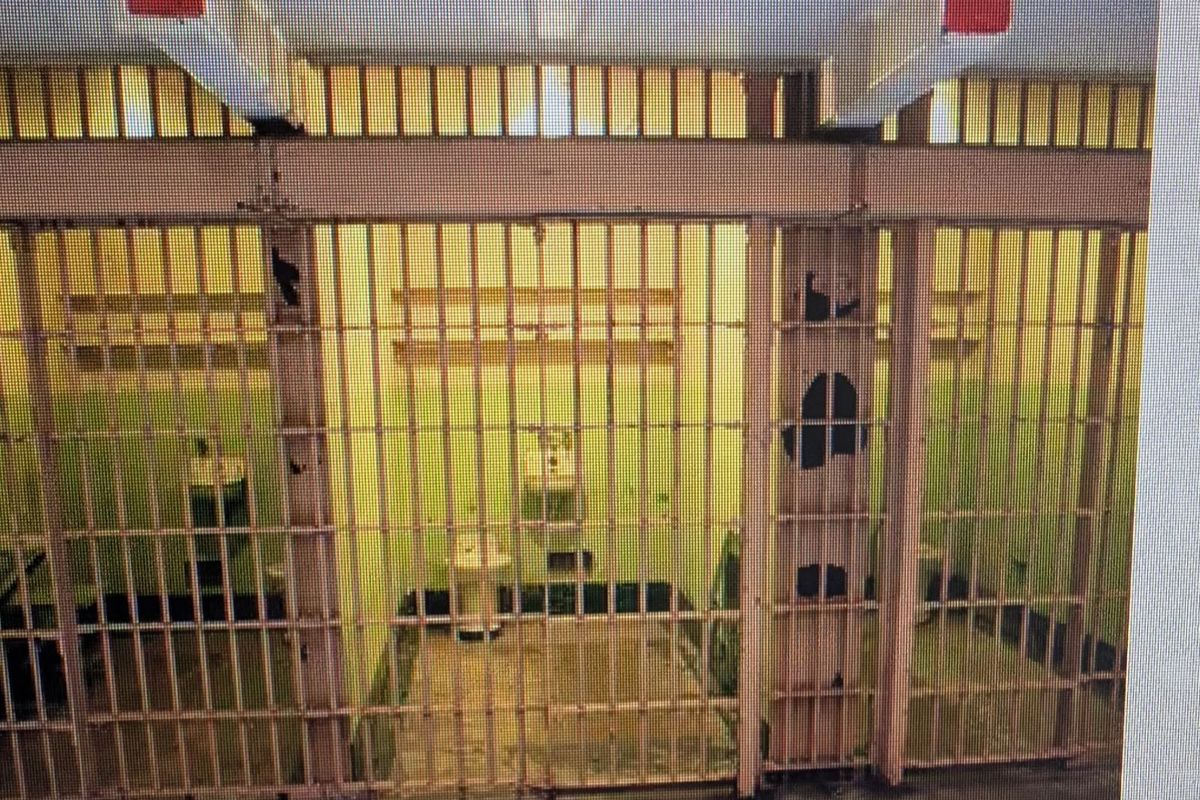
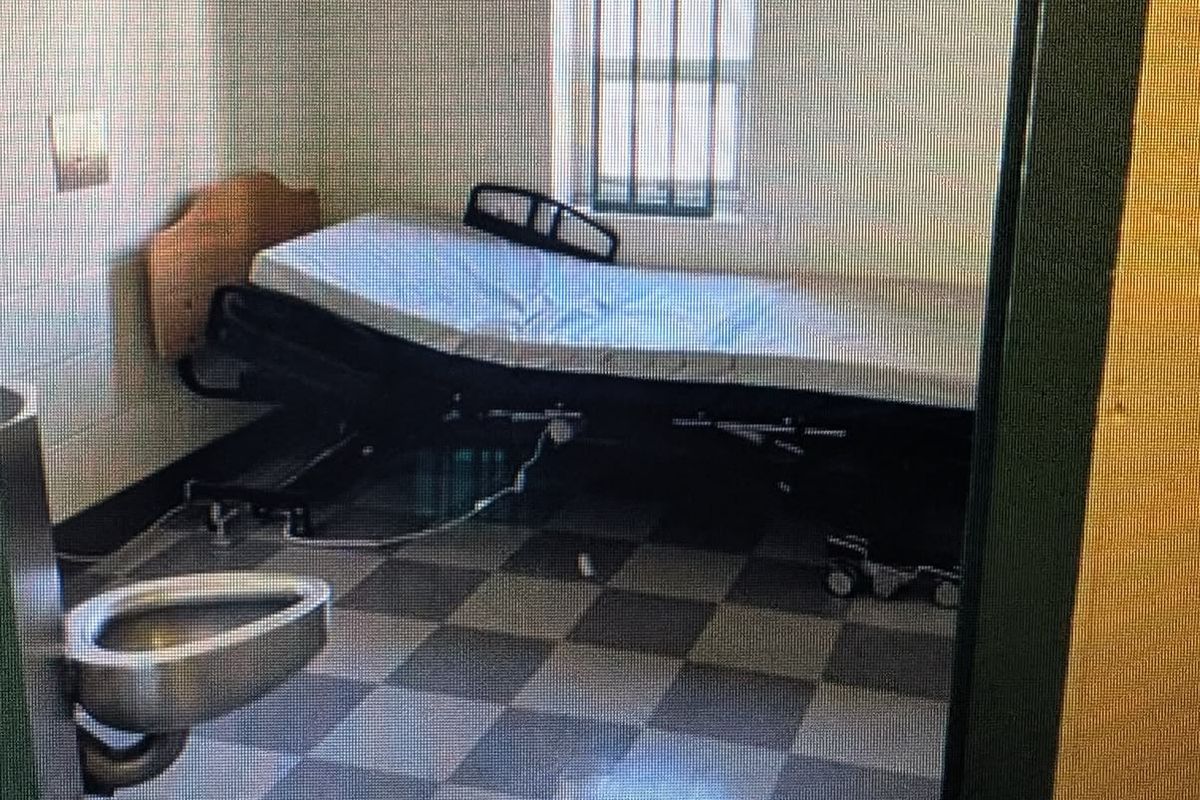
In closed prison systems people are locked away for years before any chance of release—in the US they are given extremely long sentences and inhumane conditions, sharing cramped living spaces with rats, filth, verbal and physical abuse, threats and random unwarranted strip searches.
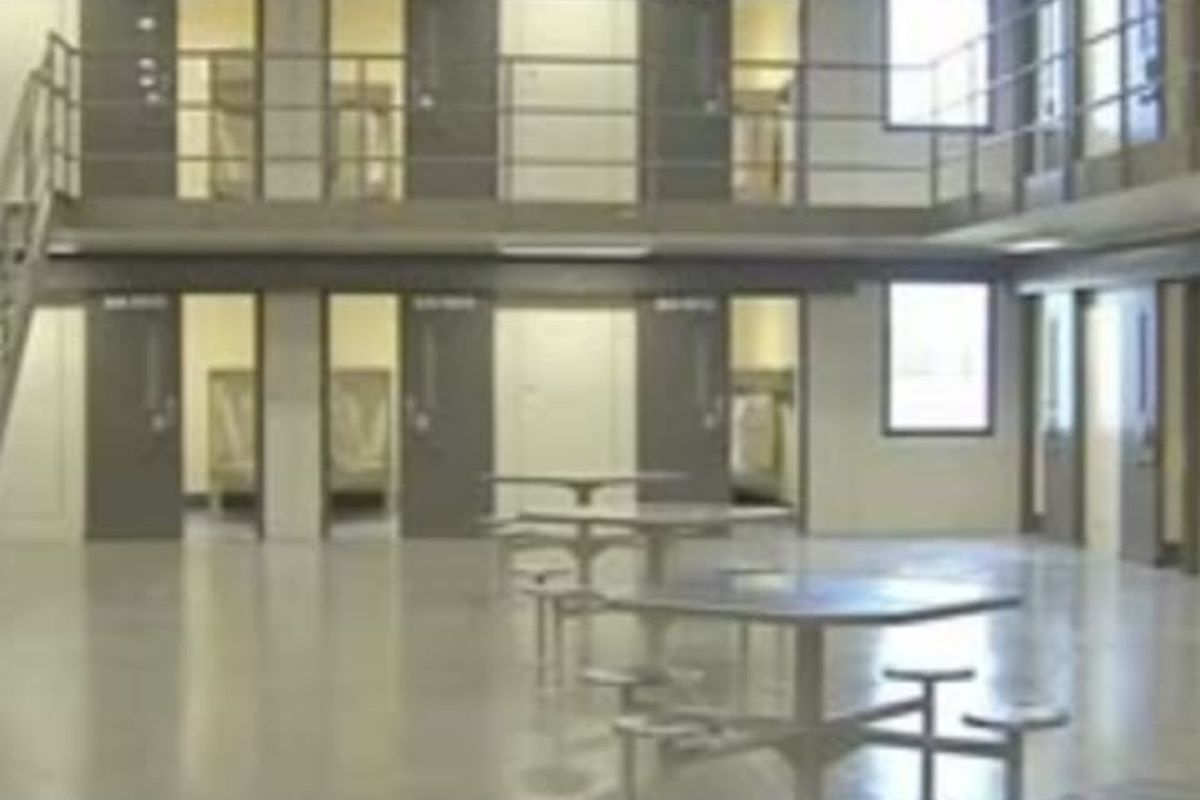
Placing convicted people in crowded, bleak environments with likeminded people who all share the same social background of making bad decisions, possibly with a history of abuse and aggression. In prison, with nothing to do and no incentives, they can form ‘clubs’, engage in violent, threatening behavior and gain the knowledge of how to commit bigger and more heinous offences. By the time they are paroled, and some of these violent offenders will be paroled, they are no more violent, angry, less hopeful for a decent life and more ready to ‘payback’ a society that has abandoned them, more ready to commit crimes than before they were arrested. And now they are better equipped and motivated to cause havoc. The definition of insanity is to keep doing what we have been doing and hope and wait for better results, expecting things to be different.
The US Department of Justice has found that strict incarceration usually increases the offender’s recidivism, while facilities using cognitive behavioral programs based on social learning theory and reintegration to society are the most effective at keeping people out of prison. Give them the tools and training to be responsible members of society, or treat them like animals…which would you prefer living in your neighborhood?
Like breaking a wild animal, take away their spirit, their spark, even their humanity, possibly even their will to live, and then release these people who have learned to survive in the most horrific conditions back to society and are expected to comply with societal norms when they have been taught to be animals. We should start by looking at how we operate our prisons, and how we treat the condemned that live there.
“The law should be used to ensure the greatest happiness of the greatest number of people.”
Jeremy Bentham (1748-1832)
Social Reformer
Bentham had a plan for prison reform, called Bentham’s Panoptician. From page 394 of the book “The Book of the Dead—Lives of the Justly Famous and Undeservedly Obscure’, by John Lloyd and John Mutchinson, it states Bentham’s plan included a circular prison design. A correctional officer would sit at the hub, (in the center) of the wheel, where inmates could be observed in the cells along the periphery. From this hub the correctional officer could observe everything. Bentham believed that this design would allow for more efficiency. He advocated for making the cells larger with one person per cell, making for a calmer environment where everyone knows they can be seen.
We don’t need more or bigger prisons, what the country desperately needs is better policing, with better training, better vetting.
NORWAY PRISON REFORMS
- Limits solitary
- 18–25-year-olds housed separately
- Older people used as mentors
- Programs to work with homeless, or other charities
- Train service dogs
- College classes (“from grade school to grad school”)
- People wear their own clothes
- Ball games, card games, yoga and fitness classes with CO’s
- Free phone calls
- Private family visits
- Families encouraged to meet each other
- Correctional Officers are assigned to ‘residents’ (8:1 ratio)
- Correctional Officers with 2-year college degree, who also are involved in setting up rehab programs
- No bars on windows
- Private rooms
- “Grocery programs”, people able to order fresh foods from grocery stores
- Fish tanks, wall murals, plants, couches, original artwork
- “Green Prisons”: training in landscaping, horticulture; people maintain gardens
- Training in engineering, dairy farming, culinary arts, carpentry, automotives, HVAC, plumbing, masonry and welding
- Brazil has “Redemption thru Reading” program (sentences shortened depending on what books are read.
- Poetry, prose programs, Music and visual arts, theater programs
- Access to social media, YouTube
- Emphasize normalcy, focus on rehab and relationships
- Offer alternatives to physical custody
- Have eliminated life sentences (25 years max). 5 years can be added to sentence for violation of rules
- These programs led to a decrease in recidivism, prison closings
What kind of people do we want to return to society? Those that are ready to be productive members, who have been treated with respect; or those who are angry and bitter?
Who do you want for your neighbor
Norway has 63 per 100.000 incarcerated people. The US has 650 per 100.000 incarcerated people. New Hampshire has more incarcerated people than any European country.
Alaska, California, Colorado, Connecticut, Georgia, Hawaii, New Mexico, North Dakota, Oregon are a few of the states that have started some of these reforms or have visited Norway or Germany to see how these reforms work.
The Vera Project and the AMEND Project will both assist to organize these trips
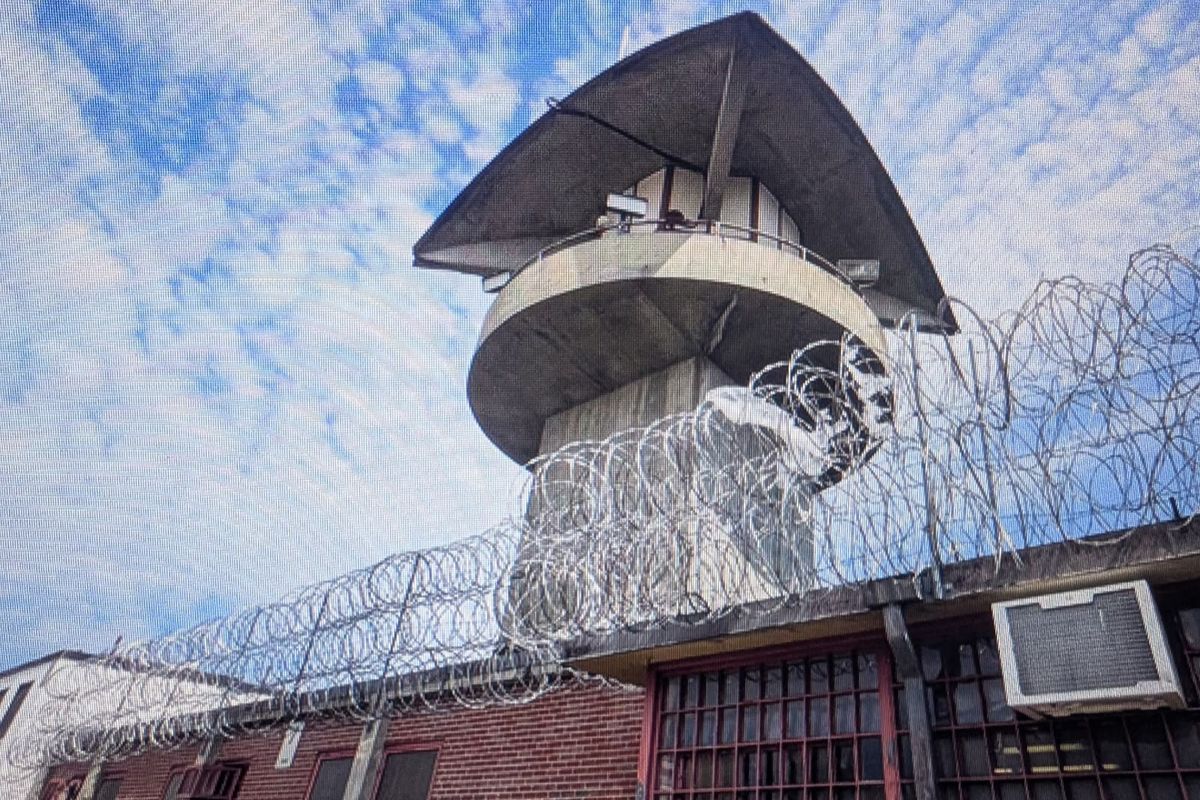
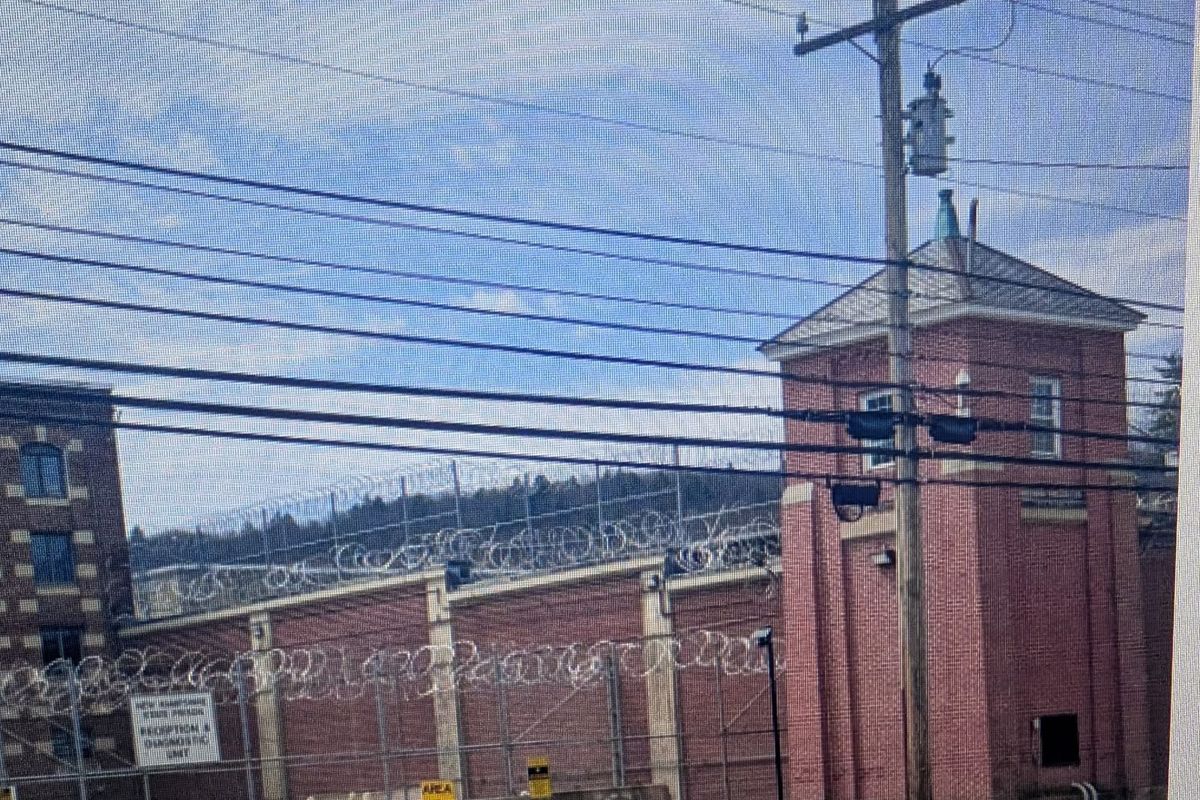
Concord (NH) PRISON
- Tarp in kitchen that continues to leak in food area
- Large rats and their feces infecting kitchen and other areas
- Outdated milk and sour milk served
- Food improperly stored
- Cinder block building with no AC
- Photos from families are prohibited, as are cards or coloring book pictures
- Recently have prohibited written hearts and X’s and O’s
- Limited access to books and art supplies
- Phone system is spotty, static and service cuts out
- Letters copied, many cut off
- Letters and magazines are not delivered due to “too much ink, larger than 8X11 or encourages activities that may lead to the use of physical violence or group distraction. (with NO evidence)
- Radio and TV service unreliable or not accessible for months
- No meaningful activities
- Correctional Officers trained a few weeks, NOT trained to deal with mental health issues
- Prison using UNICOR (prison Industries) for inmates to manufacture products, no OSHA oversight, “Back door slavery.” Unsafe situations ignored
- Complaints from inmates lead to retaliation by other inmates or CO’s
- New Hampshire prisons called “Lock and leave”, super sentencing
REMEDIES
- An independent commission that would be free to inspect prison for safety, health available activities and educational programs.
- Ombudsman Program. Independent of prison and governor to act as go-between for inmate concerns and prison management, to eliminate retaliation and arbitrary ‘policies’
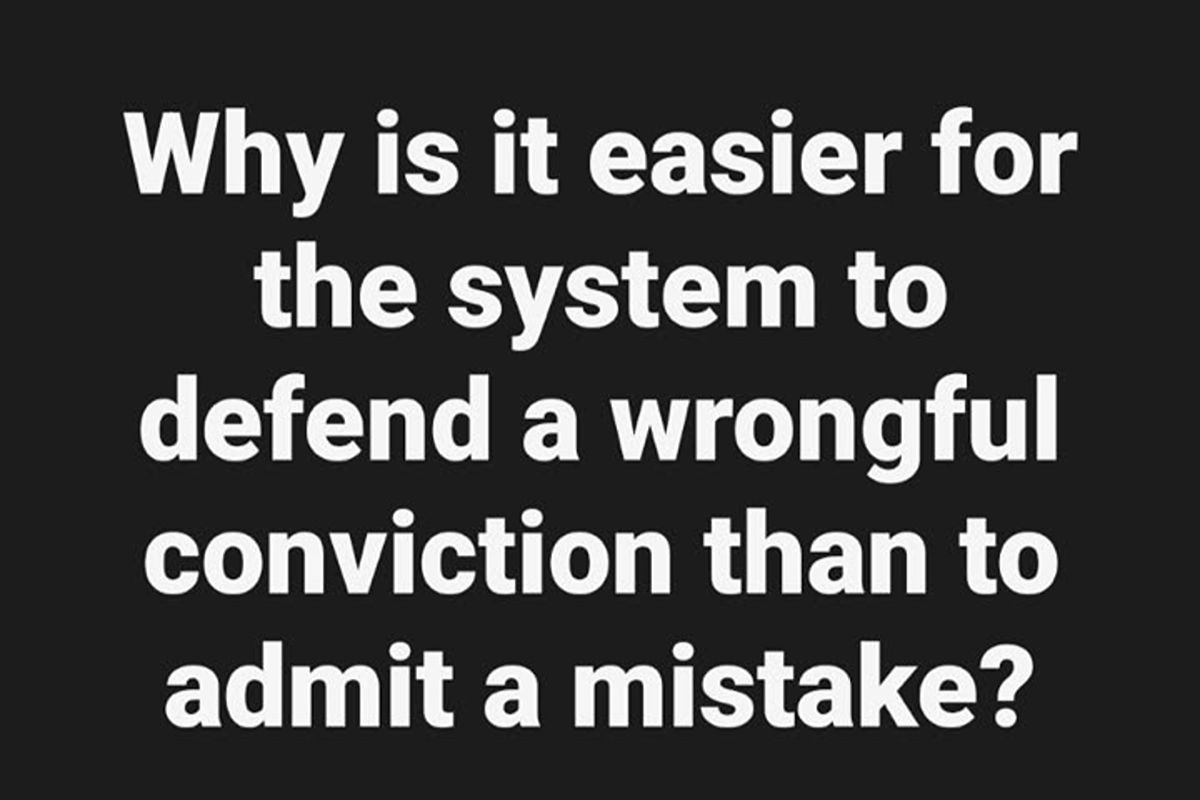
- Establish Conviction Integrity Units to review cases in prosecutors offices to eliminate wrongful convictions